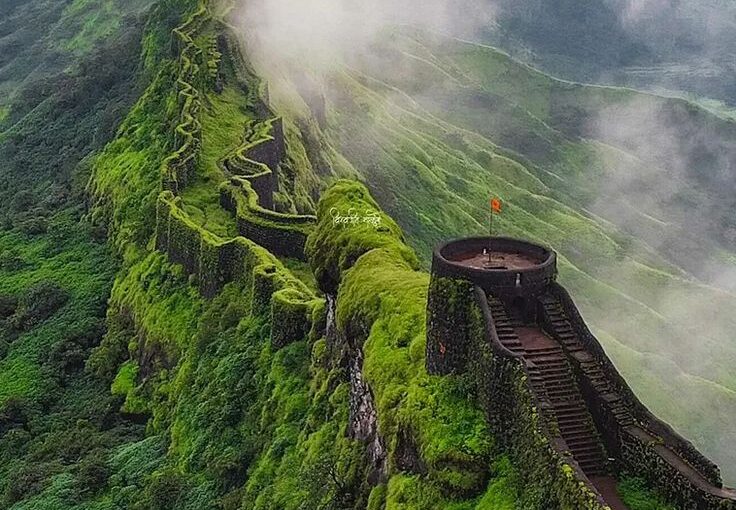
I’d already done Raigad once, in December, clear skies, dry steps, manageable effort. Going back in the middle of monsoon felt almost pointless at first, same fort, same steps, why bother repeating it. Within the first twenty minutes of that second climb, I understood exactly why bother. It wasn’t the same trek at all.
The steps you thought you knew, and how different wet stone actually is
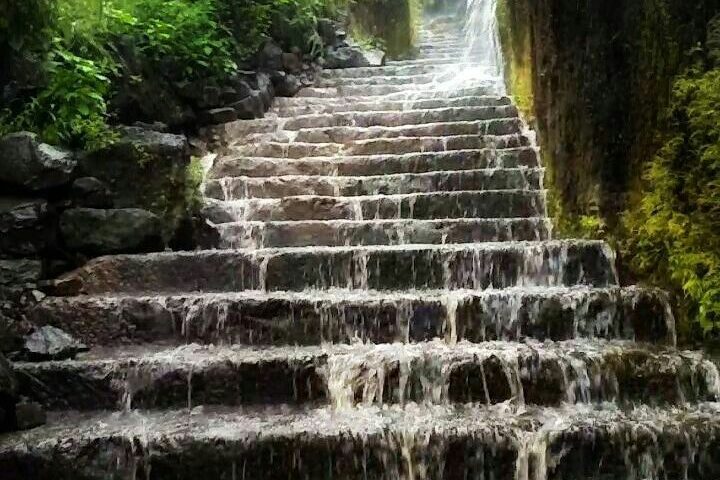
Those 1,400-odd stone steps that felt like sustained effort in dry weather become an entirely different problem when they’re wet. Every step needs actual attention, not just physical effort but genuine focus on foot placement, because worn stone with a thin sheet of water on it doesn’t grip the way dry stone does. I slipped twice in the first half hour, nothing serious, just enough to recalibrate how much slower I needed to move through this version of the climb.
This isn’t a warning to avoid the monsoon trek. It’s a warning to respect it differently than the dry season version, which I hadn’t done, and paid for with a couple of undignified near falls before I adjusted my pace properly.
The waterfalls that don’t exist any other time of year
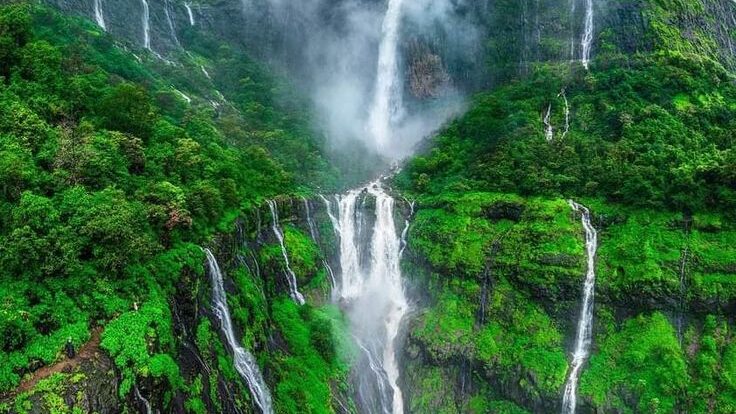
Here’s the actual reward for dealing with the slippery steps. The hillsides around Raigad, bare and brown in the dry months, turn genuinely lush during monsoon, and several temporary waterfalls appear along the route that simply don’t exist the rest of the year. Water cutting down rock faces that were just dry stone when I’d visited before, the whole landscape sounding different, running water everywhere instead of the dry silence of my earlier trip.
I stopped at one waterfall for a solid ten minutes just watching it, mostly because it genuinely hadn’t been there in December and the novelty of that hadn’t worn off yet.
Visibility, and the trade-off nobody mentions
This is the part I’d underestimated. Clouds roll through at fort-level regularly during monsoon, and there were stretches on the climb where visibility dropped to maybe twenty or thirty meters, thick mist erasing the valley views that made the December trip so rewarding. You genuinely might reach the top and get almost nothing in terms of the wide panoramic view, just white in every direction for a while, before it clears, if it clears at all that day.
I got lucky, about a twenty-minute window where the clouds broke and I got a reasonable view before they closed back in. Others in the group that day got nothing. That’s the gamble of a monsoon trek here, you’re not guaranteed the payoff view the dry season basically guarantees.
The green transformation that makes the fort feel different
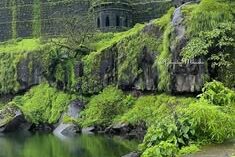
Beyond the waterfalls, the entire complex at the top looks different too. Grass and vegetation reclaim ground that’s bare dirt and rock most of the year, the Rajgadi and surrounding ruins framed by green instead of the browns and greys of my earlier visit. It genuinely changes the character of the place, less austere historical ruin, more like nature actively working to reclaim the site, which gives it a different kind of atmosphere than the starker dry-season version.
Why I’d still recommend this, carefully
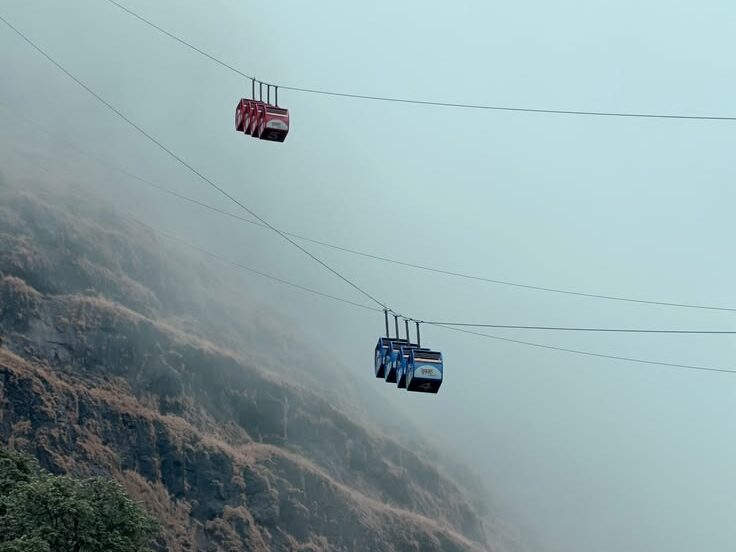
I’m not going to pretend monsoon Raigad is the easier or safer choice, it isn’t. The wet steps demand real caution, the ropeway sometimes shuts during heavy rain or lightning risk, and the marquee panoramic view is a genuine gamble rather than a guarantee. But the waterfalls, the transformed landscape, and the sheer difference from the version most people experience made this trip worth doing specifically because it wasn’t the same climb twice.
If you’ve already done Raigad in the dry season and are wondering whether monsoon is worth a repeat visit, my answer is yes, but go in knowing it’s a genuinely different, more demanding trek, not just a wetter version of the same walk.
Trek Raigad’s Monsoon Season With VedRaahi
The monsoon climb rewards preparation more than the dry-season version does, proper footwear, a trek leader who knows which sections need extra caution, and realistic expectations about visibility at the top.
VedRaahi’s monsoon Raigad treks from Pune include experienced trek leaders trained for wet-weather conditions, safety checks through the slippery sections, and honest expectation-setting on what the view might actually look like that day.
Book your Raigad monsoon trek from Pune today and see the fort’s wilder, greener season done safely. Contact VedRaahi to check upcoming trek dates.
For monsoon trekking safety guidelines, the Maharashtra Tourism Development Corporation’s official website is a reliable reference before you go.