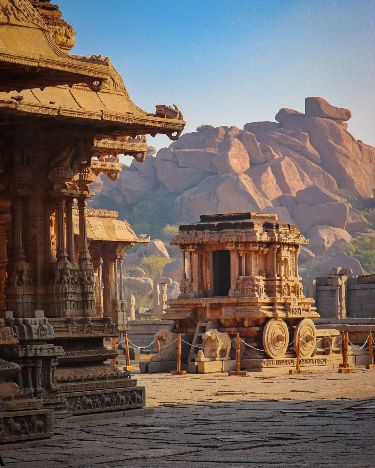
I went into my Hampi trip expecting a couple of old temples and maybe a nice sunset spot for photos. What I didn’t expect was how much there actually was, ruins spread across an entire landscape, boulders the size of buildings, and a pace of travel that’s completely different from anywhere else I’d been. If you’re thinking about a Hampi trip from Pune, here’s the actual planning version, not the postcard version.
Getting there is simpler than people make it sound
Hampi doesn’t have its own airport, the nearest one is Hubli, about 160 kilometers away, or Bellary which is closer but has fewer flight options. Most people from Pune end up taking the overnight train to Hospet, which is the actual town closest to Hampi, about 13 kilometers out. It’s a long ride, somewhere around 12 to 14 hours depending on the train, but it’s a sleeper route, so you leave in the evening and just wake up there. Buses run too, if you’d rather not deal with train booking windows.
How many days you actually need
Two days is the bare minimum if you want to see the main sites without rushing through them, but three is where the trip actually starts to feel unhurried. Hampi’s ruins are spread out, not clustered in one walkable zone like a lot of heritage sites, so you’re moving between areas by bike or auto for most of the day. Cramming it into a single day means you’ll see maybe a third of what’s actually there.
The two sides of Hampi, and why that matters
This trips up a lot of first-timers. Hampi is split by the Tungabhadra river into two sides, the main bazaar side with most of the temples and guesthouses, and the “Hampi Island” side across the river, which has a slower, more laid-back backpacker scene with rice paddies and boulder-strewn landscapes. A coracle boat crossing connects the two, and it’s worth budgeting time for both sides rather than sticking to just one.
Getting around once you’re there
Renting a scooter or bicycle is genuinely the best way to see Hampi, the sites are too spread out for walking and too scattered for autos to make sense all day. Roads are mostly flat and manageable even if you’re not used to riding much. If two-wheelers aren’t your thing, autos work fine too, just expect to negotiate a full-day rate upfront rather than paying per trip.
The heat is worse than people warn you about
Hampi gets brutally hot, especially between March and June, and there’s very little shade once you’re out among the ruins. Start early, most people are out by sunrise specifically to beat this, and plan your midday hours around lunch and rest rather than pushing through the heat to see one more temple. October through February is genuinely the better window if your dates are flexible at all.
What actually surprises people once they’re there
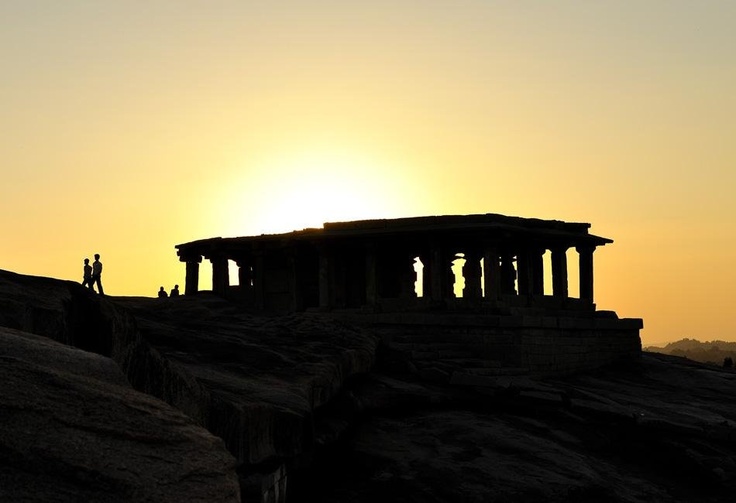
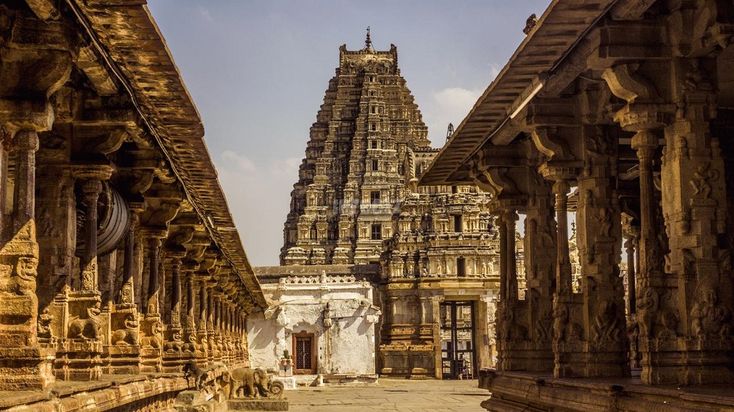
It’s not just temples. The Virupaksha Temple is still an active place of worship, not a roped-off ruin, which changes how it feels to visit. The boulder landscapes around Hemakuta Hill and Matanga Hill are worth climbing for sunset, genuinely one of the better sunset spots I’ve been to anywhere. And the sheer scale of the old marketplace ruins, once you realize how big this empire actually was, reframes the whole trip from “nice ruins” to something a lot bigger.
Where a bit of planning help actually saves you time
Hampi isn’t a hard trip logistically, but it is a trip where local knowledge saves real hours, knowing which side to stay on, which sites to hit at sunrise versus sunset, and which routes between ruins actually make sense to string together in one day instead of doubling back across town. A guided or semi-guided setup handles that sequencing for you, along with the train or bus booking and a stay that’s actually close to where you need to be.
We run Hampi trip packages out of Pune with exactly that in mind, transport sorted, stays picked for location rather than just price, and a route through the ruins that doesn’t waste half your day backtracking. You still get to wander and sit somewhere longer than planned, we just make sure the framework around it actually makes sense.
If Hampi’s been on your list, it’s a far easier trip to plan than it looks from the outside, you just need to know the shape of it beforehand.