I put off the Chardham Yatra for two years longer than I needed to, mostly because every blog I read about it made it sound either impossibly complicated or suspiciously easy. Neither one was true. It’s a big trip, it takes real planning, but none of it is beyond what a first-timer can handle if someone just tells you the actual details instead of the vague inspirational version.
So here’s the version I wish someone had given me before I booked my Chardham Yatra from Pune.
Why Pune is actually a decent starting point for this
You’d think a yatra through the Himalayas would mean a painful journey just to get to the starting point, but it’s not as bad as it sounds. There are direct trains and flights connecting Pune to Delhi or Haridwar, and from there the actual yatra route begins. Most of the real complexity starts once you’re in the mountains, not on the way there, which is honestly a relief once you realize it.
The four dhams, and the order people actually go in
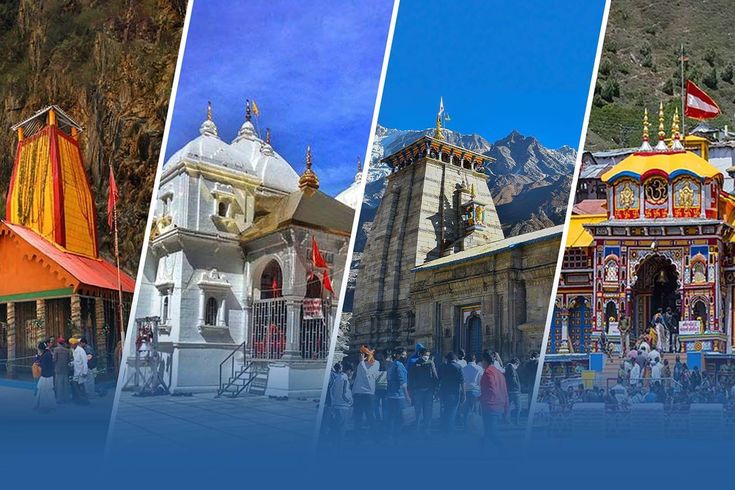
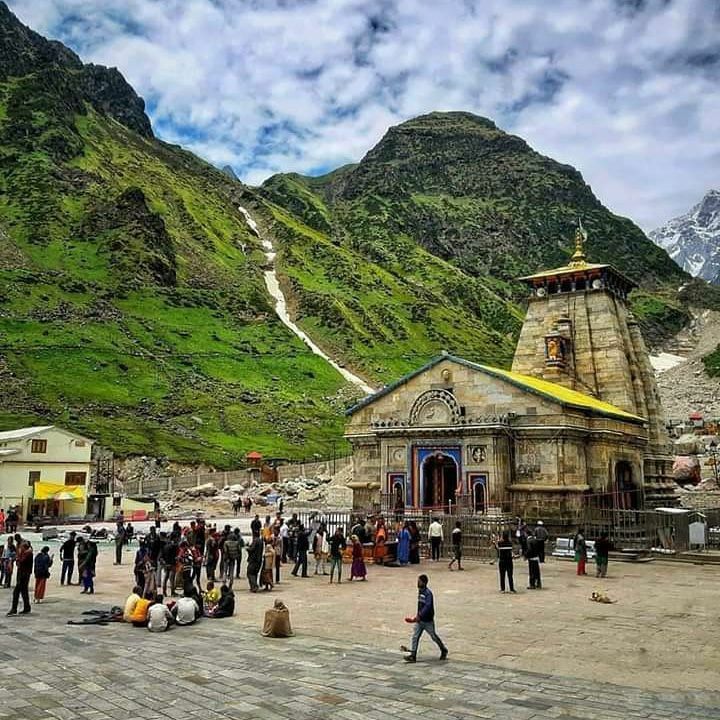
Yamunotri, Gangotri, Kedarnath, and Badrinath, that’s the full circuit, and yes, all four in one trip is the traditional route. Most operators run it in that order for a reason, it follows the terrain logically instead of doubling back on yourself, which matters more than people expect when altitude and road conditions are involved.
If you’re short on time, some people do a partial circuit first, usually just Kedarnath and Badrinath, and come back for the other two later. There’s no rule saying you have to do all four the first time. I didn’t, and it was still worth it.
The part nobody explains properly, altitude
This is where I think most first-timers get caught off guard. Kedarnath sits above 11,000 feet, and the walk up isn’t technical, but it is real physical effort, especially if you’ve spent the last six months mostly sitting at a desk. Altitude sickness doesn’t care how fit you think you are. It shows up when it wants to.
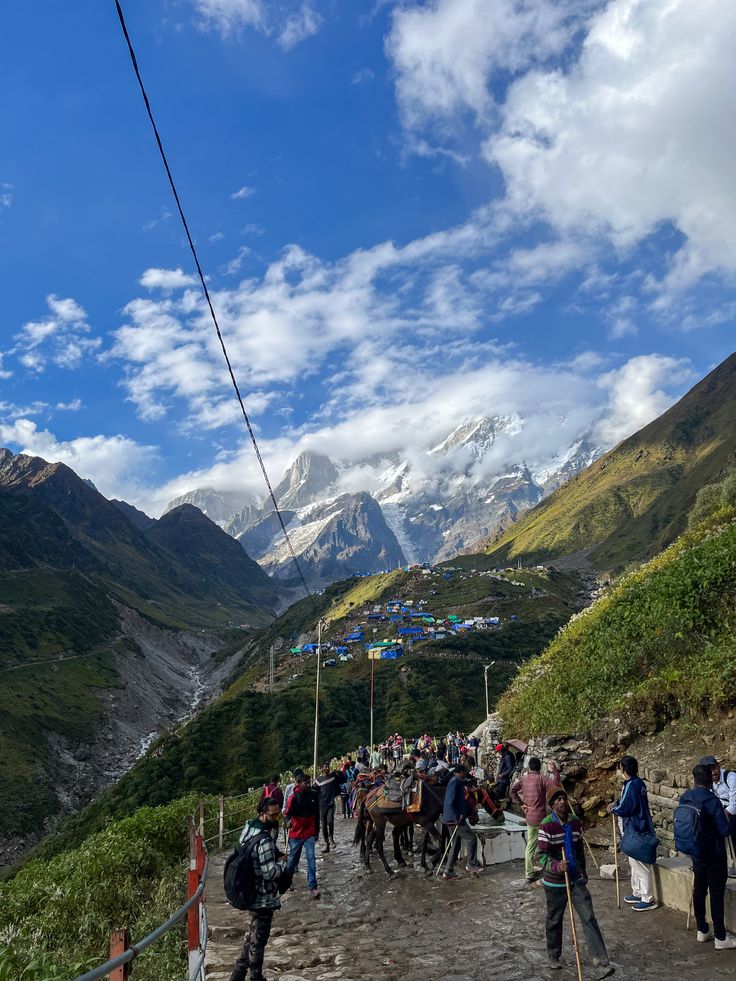
Give yourself a day to acclimatize before pushing higher if you can. Drink more water than feels necessary. And if you start getting a headache that won’t quit, or feel unusually breathless, that’s your body telling you to slow down, not push through.
Permits and registration, don’t skip this part
You need to register for the yatra before you go, it’s mandatory now for all four dhams, and it’s not something you want to sort out once you’re already there. Biometric registration, ID copies, the whole process, it’s manageable but it takes actual paperwork time. Most tour operators handle this as part of the package, which honestly saved me a full day of standing in lines I didn’t know existed.
Weather changes the whole plan
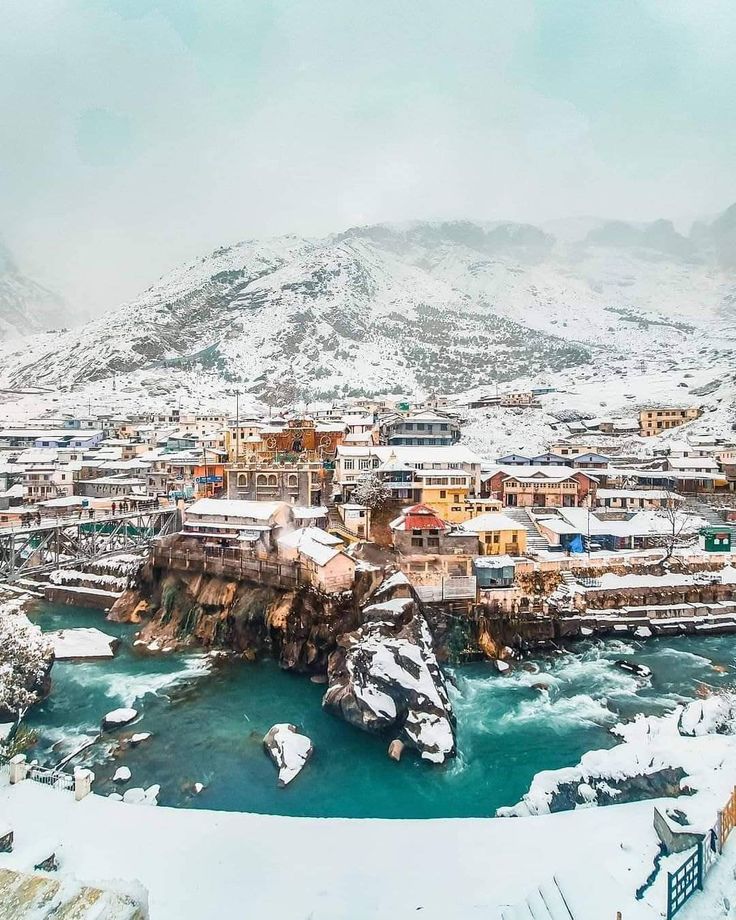
The yatra season runs roughly April through November, and that window isn’t arbitrary, the passes are snowed shut outside of it. But even within season, weather in the mountains can flip in a few hours. Rain, sudden cold, cloud cover that grounds helicopter services if you’re using one for Kedarnath, all of it happens more often than people expect. Build slack into your itinerary. Don’t book it so tight that one bad weather day wrecks the whole trip.
What actually goes wrong when people plan this alone
Mostly it’s underestimating the physical side, booking stays that turn out to be an hour further from the temple than the listing implied, or not realizing certain stretches genuinely need a local driver who knows the road, not just anyone with a car. None of this is unmanageable, but it’s the kind of thing you only learn by getting it wrong once, or by having someone who’s already done the route tell you beforehand.
Where a guided setup actually helps here
I’ll be honest, this is one of the trips where I’d think twice about going fully independent, especially the first time. Altitude, permits, unpredictable roads, and temple timings that shift without much notice, it’s a lot to coordinate solo. A semi-guided or fully guided yatra package handles the permits, the stays, the transfers between dhams, and has someone on the ground who already knows which day to push through and which day to wait out.
We Vedraahi run Chardham Yatra packages out of Pune built around exactly this, the permit process sorted before you arrive, stays that are actually checked and not just listed, and a tour manager who’s done this route enough times to know when the weather’s not worth arguing with. You still get the actual experience of the yatra, we just handle the parts that would otherwise eat your whole first day figuring out.
If you’re thinking about doing this yatra, don’t let the planning side talk you out of it. It’s a big trip. It’s also very doable, once you know what you’re actually dealing with.
For the latest official yatra registration requirements, the Uttarakhand Tourism website is the most reliable source to check before you book anything.