Long before Jagannath Yatra became one of the most recognized religious processions in the world, it began as a temple ritual in Puri, tied to a deity whose origins are as layered as the festival itself. Understanding that history changes how the modern-day chariots, crowds, and rituals actually read.
Origins older than written record
The worship of Lord Jagannath at Puri is genuinely ancient, with references appearing in Puranic texts, though scholars continue to debate the exact timeline of when organized worship began at the site. Some historical accounts suggest tribal origins for Jagannath worship, later absorbed and formalized into mainstream Hindu tradition, a pattern of religious syncretism not uncommon across ancient India. What’s clear is that by the time of definitive historical record, Jagannath worship at Puri was already a significant regional tradition.
The temple that anchored it all
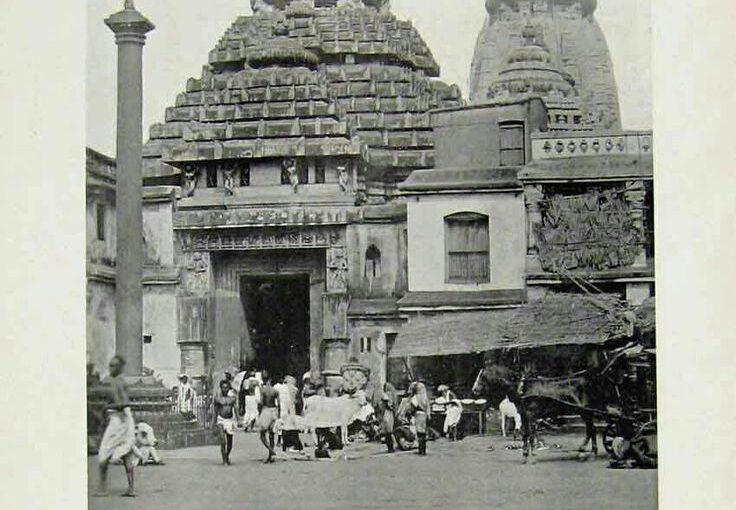
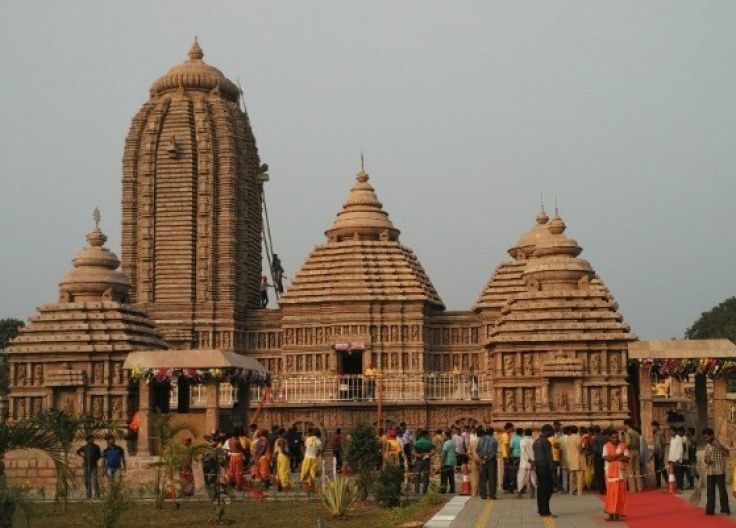
The current Jagannath Temple structure is generally attributed to King Anantavarman Chodaganga Deva of the Eastern Ganga dynasty, constructed around the 12th century, though later rulers, including the Gajapati kings, expanded and renovated the complex significantly over subsequent centuries. This wasn’t simply religious architecture, it was a statement of royal patronage, temple construction on this scale reflecting the political and spiritual authority of the dynasties that built and maintained it.
Why the deities leave the temple at all
The central ritual of the yatra, the deities traveling from the main temple to the Gundicha Temple, is tied to a specific narrative, the belief that Lord Jagannath visits his birthplace or aunt’s home annually, depending on which regional account you follow. This journey, covering roughly three kilometers, has been performed in some form for centuries, evolving in scale and ceremony but retaining its core structure, deity leaves temple, travels by chariot, resides at Gundicha Temple for several days, returns.
The chariots, and a craft tradition centuries deep
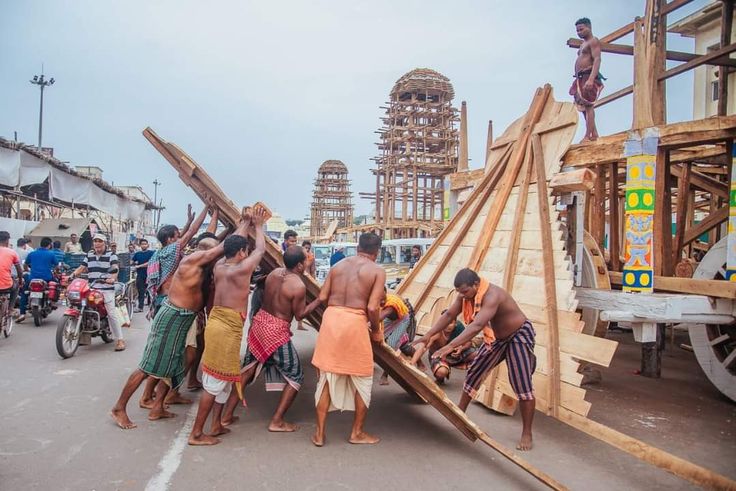
The construction of new chariots each year isn’t a modern addition, it’s a practice with deep historical roots, involving specific craftsmen families whose skills have been passed down through generations specifically for this purpose. Historical accounts describe elaborate chariot construction traditions stretching back centuries, using particular types of wood sourced through established, ritually significant processes, a craft tradition that exists almost exclusively because of this one annual event.
How the yatra grew beyond a purely regional event
For much of its early history, Jagannath Yatra was significant primarily within Odisha and neighboring regions. Its transformation into a globally recognized event owes something to colonial-era accounts, European travelers and administrators documented the procession, often with considerable fascination, and these accounts helped spread awareness of the ritual beyond India’s borders. Ironically, some of these same colonial descriptions contributed to Western misunderstandings about the festival, including inaccurate and sensationalized characterizations that circulated for decades afterward.
Surviving through periods of disruption
The yatra’s history hasn’t been uninterrupted. Various historical periods brought disruptions, political instability, invasions, and administrative changes at points affected temple operations and festival continuity. That the tradition has persisted through these disruptions, maintained by successive religious authorities and royal patrons determined to preserve it, is itself a significant part of its historical narrative.
Why the history actually matters to modern visitors
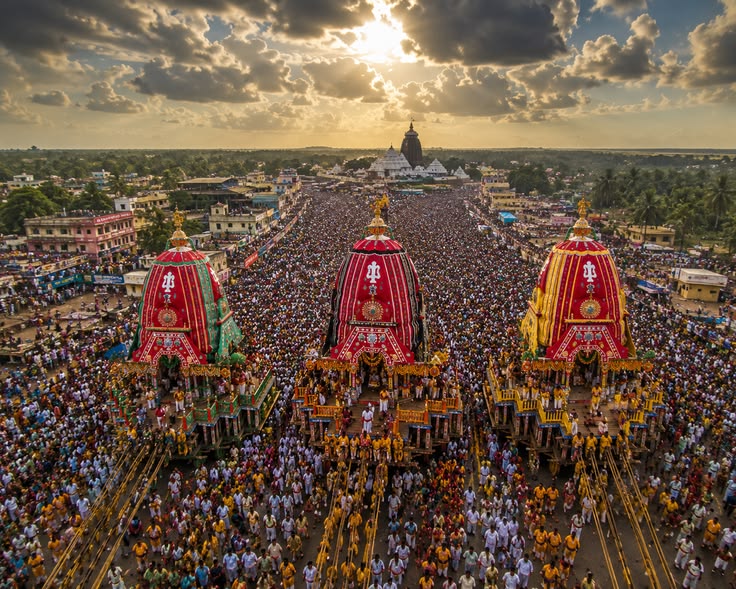
Knowing this background changes how the modern festival reads. The chariots aren’t simply large, decorated structures, they’re the product of a centuries-old craft lineage. The crowds aren’t simply enthusiastic, they’re continuing a devotional practice with genuinely ancient roots, adapted and sustained through changing political and social circumstances across a very long stretch of history. Standing in that crowd today means participating in something considerably older and more layered than a single afternoon’s spectacle.
Experience Jagannath Yatra’s Living History With VedRaahi
Understanding the centuries behind this procession adds real depth to witnessing it firsthand, the chariots, the crowds, and the rituals all carry weight that’s easy to miss without the historical context.
VedRaahi’s Jagannath Yatra trips from Pune include guidance that brings this history to life on-site, not left as a footnote before the procession begins.
Plan your Jagannath Yatra trip from Pune today and witness a tradition centuries in the making. Contact VedRaahi to customize your itinerary and travel dates.
For temple history and official yatra information, the Shree Jagannath Temple Administration’s official website is a reliable reference before you go.